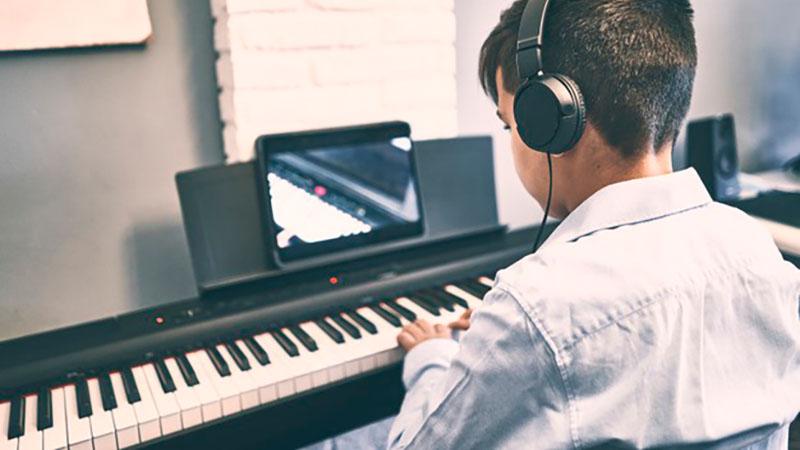
Journey to the Keys: Unlocking Your Piano Potential 🎹
The piano, with its rich history and expressive capabilities, has captivated hearts for centuries. From classical concert halls to intimate jazz clubs, its sound evokes a spectrum of emotions and tells countless stories. Many dream of sitting at the keys, creating beautiful melodies, yet often perceive the journey as daunting, reserved only for those with inherent musical gifts or childhood beginnings. This perception, while common, overlooks the incredible accessibility and profound personal enrichment that learning the piano offers to individuals of all ages and backgrounds.
Historically, piano instruction was often rigid, emphasizing rote memorization and strict classical training. While foundational, this approach sometimes overlooked the joy of discovery and personal expression crucial for sustained engagement. Modern pedagogical methods, however, have evolved, integrating diverse styles and fostering a more holistic learning experience. This shift acknowledges that musicality is not a fixed trait but a skill that can be cultivated and refined through dedicated effort and appropriate guidance.
Recent studies have shed light on the significant cognitive benefits associated with learning a musical instrument, particularly the piano. Engaging with the keyboard stimulates various brain regions, enhancing neuroplasticity, memory, and problem-solving abilities. These advantages extend far beyond the musical realm, positively impacting academic performance, professional focus, and overall mental well-being. It’s a holistic exercise for the mind, demanding coordination, concentration, and emotional interpretation simultaneously.
The digital age has further democratized piano learning, breaking down geographical and perceived barriers. Online tutorials, interactive apps, and affordable digital pianos have transformed how beginners approach the instrument. This proliferation of resources means that starting your piano journey is more feasible now than ever before, regardless of your location or prior experience. AverTari recognizes this evolving landscape, providing insights and guidance for those ready to embark on this rewarding path.
Key Observations from Musical Education Literature:
- Early musical engagement, particularly with instruments like the piano, has been consistently linked to improved auditory processing, enhanced language acquisition, and stronger executive functions in developing minds.
- Research indicates that adult learners experience notable improvements in fine motor coordination, spatial reasoning, and working memory, demonstrating the brain's remarkable capacity for adaptation at any age through piano practice.
- The literature strongly supports the idea that consistent, shorter practice sessions (e.g., 15-20 minutes daily) yield superior long-term skill retention and development compared to infrequent, longer practice blocks.
Analyzing the Path to Piano Mastery:
The pervasive myth of "talent" often deters aspiring pianists. However, extensive research in skill acquisition consistently demonstrates that deliberate practice, guided instruction, and perseverance are far more influential than any innate predisposition. Success at the piano is less about being born with a gift and more about cultivating a growth mindset, embracing the learning process, and celebrating incremental progress.
Technology plays a transformative role in modern piano education. Digital pianos offer silent practice options, varied sounds, and connectivity to learning apps that provide instant feedback on rhythm and pitch. Online platforms host a wealth of tutorials, sheet music, and interactive lessons, making structured learning accessible outside traditional classroom settings, empowering beginners to explore at their own pace.
While self-teaching resources are abundant, the debate between structured curriculum and purely independent learning remains. A balanced approach often proves most effective. A good teacher or a well-designed online course provides foundational techniques, corrects habits early, and offers personalized feedback crucial for steady progress. Self-exploration, however, fuels creativity and motivation.
Beyond the musical notes, learning piano offers profound psychological and cognitive benefits. It cultivates patience, discipline, and resilience as learners navigate challenging pieces and technical hurdles. The act of playing can be a powerful stress reliever, offering a meditative escape. Furthermore, the intricate coordination required enhances fine motor skills and hand-eye coordination. AverTari supports these holistic benefits.
Beginners often face common frustrations: hand independence, reading sheet music, and maintaining consistent practice. Hand independence, where each hand plays different rhythms or melodies, requires focused, slow practice and targeted exercises. Reading music is a new language that takes time and exposure. Overcoming these challenges involves breaking them down and celebrating small victories.
Ultimately, the piano journey is a marathon, not a sprint. It’s about continuous discovery, the joy of creating, and the personal growth experienced along the way. There will be moments of triumph and moments of struggle, but each interaction with the keys builds skill, confidence, and a deeper appreciation for music. Embracing this journey with curiosity and persistence ensures a rewarding experience.
Key Takeaways and Applications:
- Lifelong Skill Development: Cultivate a deeply enriching skill that fosters creativity, sharpens cognitive functions, and provides a unique avenue for self-expression throughout life.
- Enhanced Personal Discipline: Strengthen perseverance, patience, and problem-solving abilities by consistently tackling musical challenges and mastering complex coordination tasks.
- Broader Cultural Engagement: Gain a deeper appreciation for musical traditions, connect with a vibrant community of musicians, and unlock new avenues for personal enjoyment and performance.
comments